
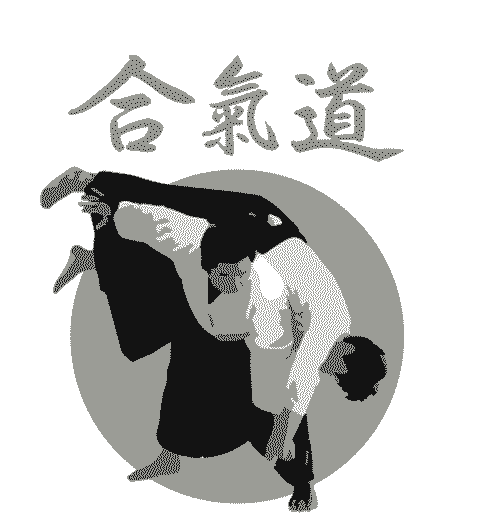
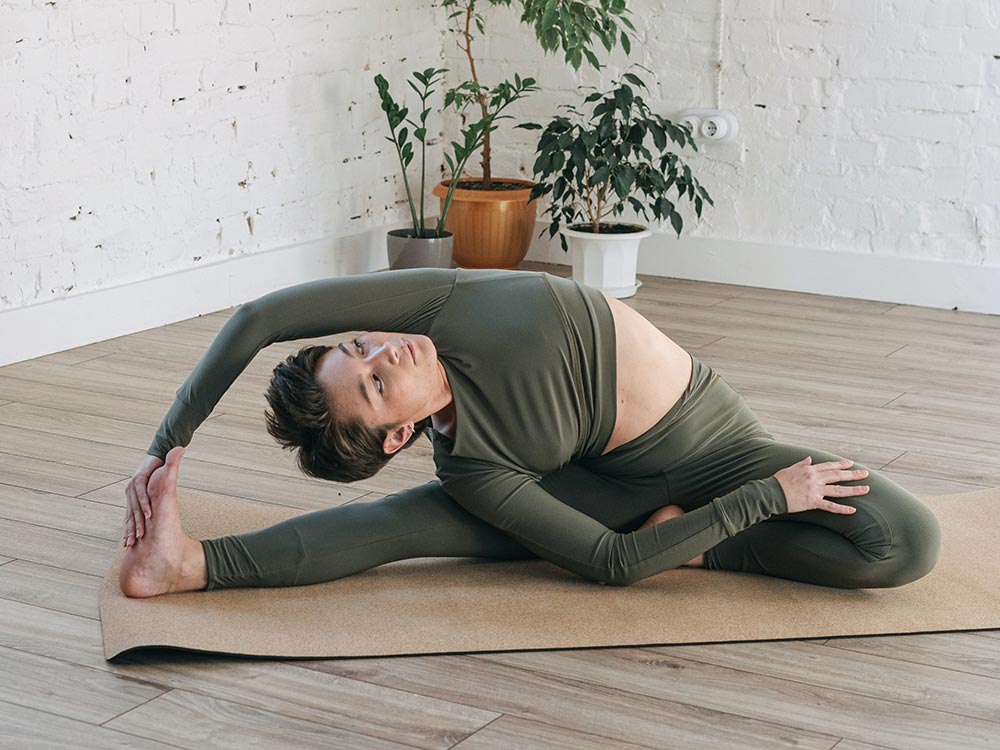
Unlike other martial arts that focus on strikes or contests of strength, Aikido uses the momentum of an attacker and leverage to throw or pin an opponent. This means size and strength matter less than timing and body movement. Additionally, Aikido incorporates ukemi, the art of receiving/falling, because we teach people how to accept techniques safely. But that’s just the physical part.
Aikido goes beyond the mat. Although it is a martial art, Aikido is an art for everyone and every body focusing on resolving conflict through diffusion rather than escalation. Due to this, our training is cooperative, and the intent of our training partners is to assist us in learning a given movement or technique, not to overpower us. This mindset on the mat extends into the community, helping us avoid confrontation and escalation when we are away from the dojo.
Central to our mission is the maintenance of a safe space both physically and emotionally. Therefore, we welcome all persons sincerely interested in our teaching including, but not limited to people of color, people from different cultures, ethnicities, citizenships and nationalities, members of the LGBTQ+ community, people of any or no gender expression, their friends and allies, people with disabilities, people of all ages, people of diverse socioeconomic backgrounds, and those of all religious affiliations and those without. Furthermore, we welcome people of diverse political leanings provided they are tolerant, respectful, and do not cause direct or indirect harm to those with other views. We will not tolerate physical, sexual or any other form of harassment or discrimination on or off the mat.
Aikido is a lifetime journey, and we welcome you to start on that path.
What is Iwama style Aikido?

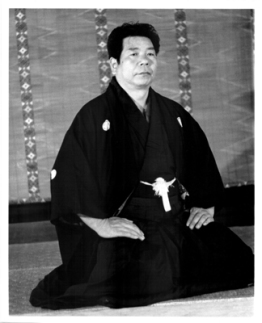
The Iwama form of Aikido was developed and taught by O Sensei in Iwama Japan during and after World War II. In addition to the empty hand or taijutsu techniques, Iwama Aikido incorporates bokken (wooden sword), jo (short staff), and tanto (knife).
Morihiro Saito Sensei was one of O Sensei’s senior students in Iwama and trained with him for 23 years. After the founder’s death in 1969 Saito Sensei perpetuated this form of Aikido in Iwama. Saito Sensei died in 2002 but Iwama Aikido continues to this day.